Psychology Research Paper Topics by Academic Level
Psychology research paper topics by academic level range from observable behaviour topics for high school students to original contribution research for PhD candidates. The sections below cover easy high school options, college and undergraduate topics, and thesis and dissertation-level work sorted by research depth and source requirements.
Easy Psychology Research Topics for High School Students
Easy psychology research topics for high school students include the psychological causes of bullying, how TV and social media influence children’s behaviour, stages of human development, and the effects of academic pressure on student mental health.
- Rising trends in bullying and their psychological causes
- How TV shows and social media influence children’s behaviour
- Stages of human development from infancy to adolescence
- Does studying psychology change how people understand their own behaviour?
- The impact of grades and academic pressure on student mental health
- The psychological effects of sexting on teenagers
- Violent media and its relationship to aggression in children
- Childhood obesity and the role of parenting psychology
- Why saying “no” to children constantly can affect their development
- Sports psychology and why children respond to competitive environments differently
Psychology Research Topics for College Students
Strong psychology research topics for college students include the ethics of the Milgram experiment, crime as a coping mechanism for post-traumatic stress, the psychological effects of adult content on younger audiences.
- Is it ethical for therapists to add clients on social media?
- Are women disproportionately represented as victims in domestic violence research?
- Ethics in the Milgram experiment and what modern research ethics would change
- Crime as a coping mechanism: post-traumatic stress and criminal behaviour
- The psychological impacts of disorder on children’s development
- Ethical concerns surrounding the Stanford prison experiment
- Adult content in cartoons and anime and its effects on younger audiences
- Impacts of psychological disorders on childhood development
Psychology Research Topics for Undergraduate Students
Strong psychology research topics for undergraduate students include the impact of social media on self-esteem and body image, the influence of music on mood and cognitive performance, parenting styles and child development outcomes across cultures, and the role of social support networks in mental health and coping.
- The impact of social media on self-esteem and body image perception
- The influence of music on mood and cognitive performance
- Personality traits and academic achievement: what the research shows
- Mindfulness meditation and its measurable effects on stress and wellbeing
- Emotional intelligence in interpersonal relationships
- Parenting styles and child development outcomes across cultures
- Exercise and cognitive functioning: what the evidence supports
- Sleep quality and academic performance in university students
- Advertising, consumer behaviour, and decision-making psychology
- The role of social support networks in mental health and coping
CollegeEssay.org’s research paper writers work most often with topics in cognitive psychology and social psychology because both fields have accessible methodology and strong peer-reviewed literature bases for undergraduate assignments.
PhD-Level Psychology Research Topics
Strong PhD-level psychology research topics include the development and sustenance of anxiety disorders in adult populations, the diagnostic reliability of multiple personality disorder, how measures of legal insanity have shifted over the past 50 years, and the psychological profile of asexuality across cultures.
- Why do so many adults develop anorexia in the absence of adolescent onset?
- How do anxiety disorders develop and sustain themselves in adult populations?
- The causes and diagnostic criteria for borderline personality disorder
- Why eating disorders are classified as mental illnesses and the ongoing debate
- Psychological outcomes of truth-telling in high-stakes interpersonal contexts
- Mortality salience and death anxiety across cultures
- Multiple personality disorder: diagnostic reliability and treatment outcomes
- How measures of legal insanity have shifted over the past 50 years
- Asexuality: psychological profile, stigma, and research gaps
- Cannibalism in isolated cultural contexts: anthropological and psychological perspectives
Psychology Research Topics for Thesis and Dissertation
Strong psychology research topics for a thesis or dissertation include childhood trauma and its long-term effects on adult mental health, attachment style and romantic relationship satisfaction, mindfulness meditation for stress reduction and emotional regulation, and social media’s impact on body image in adolescents.
- Childhood trauma and its long-term effects on adult mental health outcomes
- Personality traits as predictors of job satisfaction and performance
- Cognitive-behavioural therapy and its effectiveness for anxiety disorders
- Sleep patterns and cognitive functioning in older adults
- Mindfulness meditation for stress reduction and emotional regulation
- Social media’s impact on body image and self-esteem in adolescents
- Emotional intelligence and leadership effectiveness
- Exercise as an intervention for depression: what the outcomes show
- Parenting styles and adolescent risk behaviour
- Attachment style and romantic relationship satisfaction
Still scanning and nothing feels right? Tell our professional research paper writing service your course level, word count, and any subfields you want to avoid. They can match you with a topic that fits your assignment and draft the paper from there.
Psychology Research Topics by Subfield: Social, Cognitive, Clinical and More
Psychology research topics by subfield include social psychology topics on conformity and prejudice, cognitive psychology topics on memory and decision-making, clinical psychology topics on CBT and PTSD, and forensic psychology topics on profiling and eyewitness testimony. Use the sections below to go directly to your subfield.
Unique Psychology Research Topics From Less-Studied Areas
Unique psychology research topics worth exploring include the psychology of parasocial relationships with media figures, moral injury in healthcare workers, why people believe in conspiracy theories, and the psychological function of nostalgia.
- The psychology of parasocial relationships with media figures and celebrities
- Moral injury in healthcare workers: causes, symptoms, and recovery
- The cognitive effects of bilingualism in older adults
- Why people believe in conspiracy theories: psychological profiles and mechanisms
- The psychology of procrastination: causes, self-regulation failure, and interventions
- Bystander effect in digital environments: does online diffusion of responsibility mirror real-world findings?
- The psychological function of nostalgia: when and why people use it
- Terror management theory: how awareness of mortality shapes everyday behaviour
- The psychology of gift-giving: what it reveals about relationships and identity
- Imposter syndrome: prevalence, psychological profile, and whether it’s a clinical construct
Developmental Psychology Research Topics
Strong developmental psychology research topics cover bullying and child aggression, language acquisition, the psychological effects of parenting styles, and how gender roles develop across childhood and adolescence.
- How developmental psychology frameworks are used to address bullying
- Violent video games and their role in child development research
- Why some children develop violent behaviour
- The psychological causes of psychopathic traits in adolescence
- Language acquisition: what factors influence learning across development
- Gender roles in modern society and their developmental origins
- How parental involvement shapes cognitive and emotional development
- Child abuse risk factors and psychological predictors
- The psychological theories underlying the ageing process
- Core parenting approaches and their measurable outcomes
Experimental Psychology Research Topics
Good experimental psychology research topics include memory changes with age, the effects of media on violent attitudes, short-term memory decline across adulthood, and the cognitive effects of sleep deprivation measured under controlled conditions.
- Adulthood and ageing as experimental research subjects
- The five developmental stages of childhood as tested in controlled studies
- Media’s role in facilitating violent attitudes: experimental evidence
- Gender roles in modern society: experimental vs. self-report findings
- How parental behaviour influences child development in experimental settings
- Genetics and developmental disabilities: what twin studies show
- Memory changes with age: experimental findings
- Short-term memory decline across the adult lifespan
- The four stages of Piagetian intellectual growth: experimental support
- Long-term cognitive effects of breakfast consumption
Clinical Psychology Research Topics
Strong clinical psychology research topics include ADHD and children’s cognitive development, autism spectrum disorder and daily functioning, PTSD in treatment environments, and the effectiveness of CBT for depression and anxiety.
- How ADHD affects children’s cognitive and social development
- Autism spectrum disorder and its effects on daily functioning in modern society
- Colour psychology in cognitive development research
- Measuring attention span in children: methodological challenges
- The best evidence-based approaches to memory loss recovery
- Why false memories form and how they persist
- The main factors affecting problem-solving ability in young children
- Speech disorders and their effects on children’s cognitive development
- Critical thinking measurement in cognitive psychology experiments
- Judgement and decision-making capacity in clinical populations
Cognitive Psychology Research Topics
Good cognitive psychology research topics include the cognitive effects of chronic pain management, CBT for anxiety disorders, how trauma shapes relationship patterns, and the interaction between antidepressants and psychotherapy outcomes.
- Psychological strategies for managing chronic pain
- Cognitive therapy for anxiety disorders: what the evidence shows
- Cognitive behavioural therapy in criminal rehabilitation programmes
- The threshold question: when should patients avoid muscle relaxants?
- Underlying psychological causes of eating disorders in adolescents
- PTSD in clinical treatment environments
- CBT for depression: outcomes and limitations
- How trauma shapes abusive relationship patterns
- Insomnia in clinical settings: causes and cognitive treatments
- How antidepressants interact with psychotherapy for optimal outcomes
If you’ve found a topic and writing the paper is the next hurdle (a defensible thesis, properly cited studies, APA format throughout), that’s where most students run out of time. Get academic research paper writing help that delivers a complete, structured psychology research paper within your deadline, formatted to your course requirements.
Sports Psychology Research Topics
Strong sports psychology research topics include the effect of goal setting on athletic performance, team cohesion and competitive outcomes, psychological skills training and athlete confidence, and emotional regulation strategies in elite sport.
- Goal setting and self-regulation strategies and their effect on performance
- Team cohesion and its relationship to competitive outcomes
- Psychological skills training and athlete confidence
- Psychological assessment of performance under competition pressure
- Mental preparation methods used in elite gymnastics
- The role of spectators and crowd psychology in football
- Intelligence, cognition, and athletic performance: what the research shows
- Character traits associated with consistent winning in elite athletes
- Stress management strategies used by endurance cyclists
- Emotional regulation and success across competitive sports
Child Psychology Research Topics
Good child psychology research topics include the effects of violent cartoon content on behaviour, the role of family structure in early development, bullying and its documented effects on child outcomes, and how screen time affects cognitive development.
- The role of family structure in early childhood development
- Violent cartoon content and its behavioural effects on young children
- Noise-induced hearing loss and its developmental consequences in children
- The mother’s role in early cognitive and emotional development
- Age-related differences in cognitive ability between children and adults
- Bullying and its documented effects on child development outcomes
- Early language acquisition: how stimulation affects development
- Environmental pollution and its impact on children’s development
- The psychology of increasing depression rates among young people
- Screen time and technology exposure in early childhood
Criminal Psychology Research Topics
Strong criminal psychology research topics include psychological profiling methods and their reliability, the long-term consequences of juvenile offending, brain dysfunction as a causal factor in criminal behaviour, and the effectiveness of rehabilitation programmes.
- The long-term psychological consequences of juvenile offending
- Social environment, poverty, and aggression
- What criminal psychologists do and how they work within the justice system
- Psychological profiling: methods and reliability
- Forensic psychology and criminal investigation
- Psychological profiles of serial killers and mass murderers
- Rehabilitation programmes for juvenile offenders: what works
- Brain dysfunction as a causal factor in criminal behaviour
- Evidence-based crime prevention strategies
- The psychology of military crime and institutional violence
Health Psychology Research Topics
Good health psychology research topics include the documented impact of stress on immune functioning, psychological factors in chronic pain management, motivation and self-efficacy in health behaviour change, and postpartum depression and maternal mental health.
- Psychological strategies for helping patients maintain dietary changes
- The documented impact of stress on immune functioning
- Motivation and self-efficacy in health behaviour change
- Psychological factors in chronic pain and pain management
- Dementia subtypes, symptoms, and the psychology of caregiving
- Postpartum depression and its effects on maternal mental health
- The transactional model of stress and its applications to health
- How physical exercise reduces stress and stabilises mood
- Psychological factors influencing adherence to medical treatment
- The relationship between job stress and physical health outcomes
Cultural Psychology Research Topics
Strong cultural psychology research topics include how culture shapes emotional expression and display rules, acculturation and its effects on psychological wellbeing, cultural factors in the diagnosis and treatment of mental health disorders, and cross-cultural differences in parenting outcomes.
- Cultural influences on parenting styles and their outcomes for child development
- Acculturation and its psychological effects on wellbeing and identity
- How culture shapes emotional expression and display rules
- Universal psychological traits across human cultures
- Cultural sensitivity in psychological practice: why it matters
- Cultural factors in the perception and treatment of mental health disorders
- The psychological impact of social media across different cultures
- Psychology in isolated and closed communities
- Cross-cultural psychology: what it reveals about universal vs. culturally specific behaviour
- Social media use patterns and motivations across cultures
Forensic Psychology Research Topics
Good forensic psychology research topics include eyewitness testimony accuracy and memory distortion, psychological factors behind false confessions, juror bias and its measurable effects on trial outcomes, and the effectiveness of forensic interventions in reducing reoffending.
- The role of forensic psychology in criminal profiling and rehabilitation
- Psychological assessment of competency to stand trial
- Eyewitness testimony accuracy and the factors that distort memory recall
- Media representations of forensic psychology and their effect on public perception
- The effectiveness of forensic psychology interventions in reducing reoffending
- Psychological factors contributing to false confessions and wrongful convictions
- Juror bias and prejudice and their measurable effects on trial outcomes
- Psychological profiles of serial offenders and psychopathic individuals
- Forensic psychology in child custody and family court proceedings
- The intersection of psychology and the criminal justice system in forensic evaluations
Personality Disorders Research Topics
Strong personality disorder research topics include the impact of childhood trauma on borderline personality disorder, the link between narcissistic personality disorder and social media use, gender differences in histrionic personality disorder diagnosis, and the comorbidity of substance use and personality disorders.
- The impact of childhood trauma on the development of borderline personality disorder
- Narcissistic personality disorder and social media use: what the research shows
- Genetics and antisocial personality disorder: the nature vs. nurture debate
- Comorbidity of substance use disorders and personality disorders
- Gender differences in the diagnosis of histrionic personality disorder
- Your theoretical framework for understanding histrionic personality disorder
- The social costs of narcissistic personality disorder
- How antisocial personality disorder predicts substance dependency
- Borderline personality disorder: diagnosis, treatment, and outcomes
- Emotionally unstable personality disorder and suicidal ideation
Physiological Psychology Research Topics
Good physiological psychology research topics include neurotransmitter function and mood disorders, chronic stress and its structural effects on the brain, the relationship between gut microbiota and mental health outcomes, and the neurological effects of traumatic brain injury.
- Neurotransmitter function and mood disorders
- Chronic stress and its structural effects on the brain
- Sleep quality and memory consolidation: the neurological evidence
- Ageing and changes in brain structure and cognitive function
- Exercise and neuroplasticity: what the evidence shows
- Genetics and addiction: what substance use disorders reveal about heritability
- Chronic pain and its effects on brain function and mental health
- Gut microbiota and brain function: the emerging evidence
- Nutrition and brain development across the lifespan
- Traumatic brain injury and its effects on cognitive and emotional functioning
Parenting Psychology Research Topics
Strong parenting psychology research topics include the effects of authoritative versus authoritarian parenting on child development, how parental stress affects children’s emotional behaviour, the psychological impact of parental divorce on adjustment, and the role of fathers in child development outcomes.
- The impact of parenting styles on child development: authoritative vs. authoritarian
- Parental warmth and responsiveness and their effects on children’s wellbeing
- How parental stress and anxiety affect children’s emotional and behavioural development
- The relationship between parenting practices and adolescent risk-taking
- Parental involvement in education and its effect on academic outcomes
- The psychological impact of parental divorce on children’s adjustment
- Cultural differences in parenting practices and their developmental consequences
- The role of fathers in child development: what the research shows
- The long-term adult mental health consequences of childhood abuse and neglect
- Social support networks and their influence on parenting quality and child outcomes
Abnormal Psychology Research Topics
Good abnormal psychology research topics include the prevalence and risk factors for major depressive disorder, childhood trauma and personality disorder development, dissociative identity disorder causes and treatment, and the relationship between substance use disorders and mental illness.
- Prevalence and risk factors for major depressive disorder
- Childhood trauma and personality disorder development
- Dissociative identity disorder: causes, diagnosis, and treatment
- Anxiety disorders: prevalence, subtypes, and treatment options
- The relationship between substance use disorders and mental illness
- Cultural context in the expression and treatment of mental disorders
- Eating disorders: causes, prevalence, and treatment approaches
- Schizophrenia: risk factors and prevalence
- Trauma and the development of post-traumatic stress disorder
- Obsessive-compulsive disorder: causes and treatment
Biological Psychology Research Topics
Strong biological psychology research topics include the genetic basis of mental disorders, the neural mechanisms underlying attention and perception, how sleep deprivation affects neuroplasticity, and the neurological basis of social cognition and empathy.
- The neural mechanisms underlying attention and perception
- The genetic basis of mental disorders
- Stress effects on brain structure and bodily systems
- Neurotransmitter systems and their role in mood regulation
- The effects of sleep deprivation on neuroplasticity
- Exercise and brain function: mechanisms and evidence
- The neurobiology of addiction and substance use
- Genetic and environmental contributions to personality traits
- Nutrition, brain development, and cognitive function across the lifespan
- The neurological basis of social cognition and empathy
Educational Psychology Research Topics
Good educational psychology research topics include how teacher-student relationships affect academic achievement, the role of intrinsic motivation in long-term learning, the effects of technology on student engagement, and how gender and racial stereotypes influence academic performance.
- How teacher-student relationships affect academic achievement
- The effectiveness of different teaching styles on student engagement
- The role of intrinsic motivation in learning and long-term academic performance
- Technology in the classroom: effects on engagement and learning outcomes
- Parental involvement and its influence on student academic success
- The relationship between student mental health and academic performance
- Feedback types and their effectiveness in promoting student learning
- The impact of cultural and linguistic diversity on classroom dynamics
- Mindfulness in schools and its effects on academic outcomes
- Gender and racial stereotypes and their influence on academic performance
COVID-19 Psychology Research Topics
Strong COVID-19 psychology research topics include the psychological effects of prolonged quarantine and social isolation, mental health implications of remote work and learning, resilience and coping during pandemic-related stress, and psychological factors influencing vaccine hesitancy and acceptance.
- The psychological effects of quarantine and prolonged social isolation
- Mental health implications of remote work and remote learning
- Resilience and coping during COVID-19-related stress and anxiety
- The psychological impact of the pandemic on frontline healthcare workers
- Psychological factors affecting compliance with public health measures
- The pandemic’s effects on children’s and adolescents’ mental health
- Prolonged fear and uncertainty: psychosocial effects documented during COVID-19
- Psychological adaptation to life changes forced by the pandemic
- Loneliness and mental health deterioration during COVID-19
- Psychological factors influencing vaccine hesitancy and acceptance
Psychology Dissertation Topics
Strong psychology dissertation topics include the relationship between childhood trauma and adult attachment style, emotional intelligence as a predictor of CBT outcomes, social media intensity and body image in female undergraduates, and the effectiveness of dialectical behaviour therapy in reducing adolescent self-harm.
- The relationship between childhood trauma and adult attachment style in romantic relationships
- Emotional intelligence as a predictor of clinical outcomes in CBT for anxiety
- The long-term effects of mindfulness-based stress reduction on generalised anxiety disorder
- Borderline personality disorder and the role of early attachment: a longitudinal analysis
- Social media use intensity and body dysmorphic symptoms in female undergraduates
- The effect of parental incarceration on adolescent psychological development
- Resilience factors in adults with adverse childhood experiences (ACEs): a mixed-methods study
- The relationship between occupational burnout and attachment style in healthcare workers
- Moral injury in military veterans: psychological profiles, prevalence, and treatment outcomes
- The effectiveness of dialectical behaviour therapy in reducing self-harm in adolescents
Psychology Research Topics About Historical Figures
Strong psychology research topics about historical figures include the psychological factors behind Sigmund Freud’s theoretical development, Abraham Lincoln’s personality traits and leadership, Van Gogh’s mental health and artistic output, and the psychological dimensions of Martin Luther King Jr.’s rhetoric.
- The psychological factors that shaped Sigmund Freud’s theoretical development
- Abraham Lincoln’s personality traits and their influence on his leadership
- The psychological impact of exile on Napoleon Bonaparte
- Vincent Van Gogh’s mental health and its relationship to his artistic output
- Carl Rogers’s contributions to humanistic psychology: life and theory
- The psychological factors that contributed to Adolf Hitler’s rise to power
- The influence of Maya Angelou’s childhood experiences on her writing and advocacy
- Jean Piaget’s psychological theories and their lasting influence on child development
- The psychological dimensions of Martin Luther King Jr.’s leadership and rhetoric
- John Dewey’s educational philosophy and its psychological foundations
Psychology Research Topics by Career
Good career-focused psychology research topics include burnout and job satisfaction in healthcare workers, emotional intelligence as a predictor of leadership success, the psychological effects of job insecurity on employee wellbeing, and the relationship between job stress and physical health outcomes.
- Burnout and job satisfaction among healthcare workers
- The psychological impact of occupational stress on police officers
- Emotional intelligence as a predictor of leadership success
- The effect of job insecurity on employee wellbeing and performance
- Social support in high-stress occupations and its effect on performance outcomes
- The relationship between job demands and work-life balance
- Flexible work schedules and employee job satisfaction
- Organisational culture and its role in employee motivation
- Job crafting and its effects on engagement and wellbeing
- The relationship between job stress and physical health in high-pressure professions
Psychology Literature Review Topics
Strong psychology literature review topics include a meta-analysis of psychotherapy effectiveness for depression, a systematic review of social media’s effects on mental health, CBT outcomes for PTSD, and the evidence base for mindfulness interventions across clinical populations.
- A meta-analysis of psychotherapy effectiveness for depression
- A systematic review of social media’s effects on mental health
- The relationship between parenting styles and adolescent behaviour: a review
- The effectiveness of mindfulness interventions: a critical review
- Sleep and cognitive function: a systematic review of the literature
- Exercise interventions for anxiety and depression: a review
- A meta-analysis of CBT effectiveness for PTSD
- Childhood trauma and adult mental health: a review of the evidence
- Psychotherapy outcomes for eating disorders: a systematic review
- Family therapy for substance abuse: a critical review of effectiveness
Psychology Research Topics on Cognition
Good cognition research topics include the effect of background music on cognitive processing speed, neural mechanisms in decision-making revealed by fMRI research, the relationship between sleep and memory consolidation, and how stress impairs cognitive performance under experimental conditions.
- The effect of background music on cognitive processing speed and accuracy
- Sleep and memory consolidation: what experimental studies show
- Exercise and cognitive function: mechanisms and dose-response evidence
- Stress and its effects on cognitive performance
- The effects of ageing on attention, perception, and processing speed
- Neural mechanisms in decision-making: what fMRI research reveals
- How emotions influence risk assessment and decision-making
- The role of language in shaping conceptual thought
- Cognitive processes in complex problem-solving
- The relationship between creativity and working memory capacity
How to Choose a Psychology Research Topic
Choosing a psychology research topic comes down to three checks: whether it is specific enough to argue, whether enough peer-reviewed sources exist, and whether it is feasible given your word count and deadline. A psychology research topic works when it has a specific research question and enough published studies behind it to build an argument.
Step 1: Brainstorm Against Your Brief
Brainstorming against your brief means reading your assignment requirements first and eliminating any topic that cannot meet the word count, source requirement, or subfield restrictions before you get attached to it.
Write down five topics from the list above that genuinely interest you. Interest matters. You will be reading heavily in this area for days or weeks. If it helps to see what a finished paper looks like before committing to a direction, our research paper example shows a complete paper with annotations on what makes each section work.
Step 2: Run a Source Check
A source check means searching Google Scholar for each shortlisted topic and confirming at least 10 to 15 peer-reviewed sources published in the last 10 years. If that threshold is not met the topic is too narrow or too new and should be dropped.
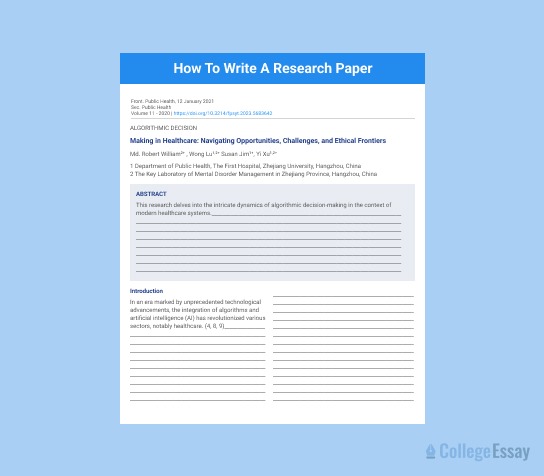
Use different sources for reference: journal articles, meta-analyses, textbook chapters. Once you have confirmed your sources, your next structural task is the abstract. Our guide on how to write a research paper abstract covers what it needs to contain and why most students write it last.
Step 3: Narrow Your Focus
Narrowing your focus means adding a specific variable, population, time period, or context to a broad topic until it is small enough to argue fully within your word count and specific enough to find original sources on.
“The effects of social media on mental health” → “The effects of Instagram use frequency on self-reported body image satisfaction in female undergraduates aged 18–22.”
CollegeEssay.org’s writers find that upper-division undergraduates produce stronger papers when they narrow to a specific population and variable rather than staying at the subfield level. The difference between “social media and mental health” and “Instagram use frequency and body image in female undergraduates” is the difference between a struggling paper and a strong one.
The narrower version is easier to research, easier to write, and more likely to produce an original finding. Once your topic is this specific, your next task is writing a hypothesis. Our guide on how to write a hypothesis walks through the structure, the common mistakes, and how to make it testable.
Common Pitfalls to Avoid
The most common mistakes when choosing a psychology research topic are picking something too broad to argue, choosing a topic with no recent literature, and selecting something that requires data or access you do not have.
- Lack of clarity: A vague topic produces a vague paper. “Stress and mental health” is not a topic. “The relationship between academic stress and anxiety symptoms in first-year university students” is.
- Lack of significance: Choose a topic with an active research community. If the last published study is from 2008, there may be a reason the field moved on.
- Lack of feasibility: Consider source availability, time constraints, and ethical requirements. Topics requiring primary data collection add significant complexity.
- Lack of originality: Avoid exact replications of famous studies unless your assignment specifically requires it. Contribute a variation, a new context, or a new population.
- Lack of accessible data: Some topics require institutional access, proprietary datasets, or clinical populations. Confirm access before committing.
You now have a topic and a method for narrowing it. The next step (finding credible studies, building a thesis, writing to APA standard) is where the paper either comes together or falls apart. Tell us your topic, word count, and deadline, and CollegeEssay.org can write your research paper and deliver a complete, cited draft ready to submit.
Frequently Asked Questions


-21351.jpg)